


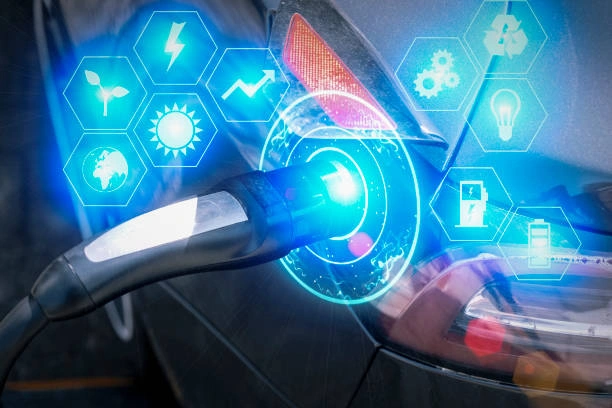
Fast Charging is being used by drivers more than ever as more electric vehicles make their way to American roads. With the increasing system of DC fast chargers in the USA, it becomes easier, faster and more convenient to make a long trip. However, the question that lingers in the minds of many EV owners is the issue of whether Fast Charging damages their battery in the long term or not. This guide will tell you what actually goes on in your battery, how Fast-Charging can impact its health, and how you are able to use it wisely without being damaged.
The truth of Fast Charging to EV Owners in the USA
Fast Charging: high power DC chargers that are capable of charging an EV battery much more rapidly than other Level 1 or Level 2 chargers. Home charging takes hours whereas Fast-Charging is capable of charging a battery at 10 percent to 80 percent within just 20-40 minutes. In the USA, high-speed charging stations such as Electrify America or Tesla Superchargers and EVgo are available along the majority of major routes. In spite of the convenience offered by Fast-Charging, it puts your battery at higher temperatures and heat has been identified as one of the major causes of concern about long-term battery wear.
The effect of Fast Charging on Battery Health in the long run
EV batteries are also natural and they degrade with age, however, when overused, Fast-Charging can accelerate the degradation rate. Large charging power elevates internal temperature. As a frequent occurrence, the chemical structure of the battery gradually becomes weaker. This is not to say that Fast Charging is not safe. It just implies that there are chances that the long-term capacity can be decreased by the daily use of Fast Charging. EVs that are currently being developed contain more sophisticated cooling mechanisms, and they insulate the pack and reduce the amount of stress when Fast-Charging.

Key Accounts of why Fast-Charging Can cause Battery degradation
There are a number of factors that determine the impact of Fast-Charging on your EV battery in the USA. The reasons why it is important to use it carefully include;
- Increased charge rates generate additional internal heat.
- Having to charge the battery frequently drives the battery close to capacity.
- Old EVs do not have sophisticated thermal management.
- The USA has hot summers, making the accumulation of heat worse.
- Paying over 80 percent on a fast charger is more stressful.
EVs are built with Fast Charging capability, and employing it excessively also wear out over time.
Fast Charging vs Home Charging: Which one is healthier to your battery?
The daily use most often is the healthiest in case of home charging. Level 2 charging is less fast and less aggressive, producing less heat and maintaining the natural lifespan of the battery. Fast Charging on the other hand is best suited to road trips, emergencies or when you just need to have quick energy. The distinction is one of frequency. Infrequent Fast Charging does not have much impact on battery life. However, every day, there is a possibility that Battery Health decreases more rapidly than usual due to repeated Fast Charging. A lot of EV owners in the USA use both approaches to balanced battery maintenance.
How to Charge Fast without Destroying Your Battery
You can trust Fast Charging and at the same time safeguard your EV battery. Just follow simple habits:
- Have Long trips charging Keep Fast Charging.
- Fast chargers should only be charged to a maximum of 80%.
- Do not want to use Fast Charging in too hot or cold.
- Allow the battery to cool then resume charging.
- Charge on a daily basis.
- Automate your EV with a software update to improve charging.
These measures ensure that temperature is controlled and minimize unjustified stress due to Fast Charging.
Is Fast Charging Technology Continued to Enhance in the USA?
Fast Charging is safer in the year 2025 than ever before. Development of new battery chemistries such as solid-state, LFP and enhanced NMC cells are designed to withstand increased power without significant damage. Designers of Automakers and Charging companies are developing mechanisms that manage temperatures more effectively when charging Fastly. Charge-rate optimization is also available on many new EVs, i.e. the car automatically adjusts power levels to maintain the health of the battery. The technology is smarter, safer, and more accessible as the USA develops the national network of fast-chargers at a high pace.
Conclusion
Rapid Charging would form a vital aspect of the EV experience in the USA. It simplifies traveling and provides drivers with confidence when traveling long distances. Although the battery is somewhat deteriorated by being charged so often, current EVs are designed to withstand heat, and the battery is safeguarded. The judicious use of Fast Charging in addition to regular home charging will ensure your EV has a long battery life. Integrating better technology and intelligent charging systems, Fast Charging is more reliable and battery-friendly than ever.
