


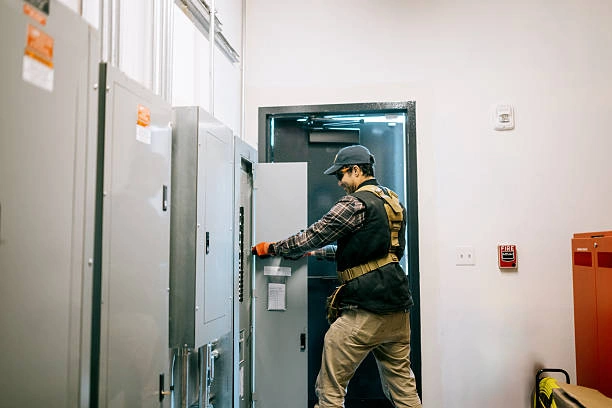
With the emergence of electric vehicles as a regular American lifestyle, the number of drivers wishing to charge their vehicles at home is growing, and they need to be reliable and fast. The availability of the public chargers can be useful, but they are not as comfortable as charging in your garage. This is the reason why Home EV Charger Installation is currently one of the most widely used upgrades among new EV owners. It will save time, minimize charges and eliminate the burden of searching open stations.
Nevertheless, most individuals are at a loss as to prices, permits and electrical specifications. The guide contains all the information about Home EV Charger Installation in simple, easy to understand tone of full humanity.
The Implication of EV Charging at Home Installation to the new EV owners
Home EV Charger Installation will provide you with the opportunity to charge your car at any time. By placing a Level 2 charger at home, you will be able to charge your battery six to eight times quicker than a simple Level 1 charger. This implies that you can charge it at night and wake up everyday morning with a full battery, which is willing to drive without any apprehension. Families are hectic in schedule, and therefore this facilitates daily commuting. With an influx of EV models into the USA, Home EV Charger Installation is the new feature that makes living with an EV much more convenient, comfortable, and functional in the long term.
Mean Cost of Home EV Charger Installing in USA
Knowing the price of Home EV Charger Installation can assist you to budget. Installation prices around the USA are different according to wiring of homes, the type of charger, and professionalism. The average cost of full installation is between 900 and 2500 dollars by most homeowners. These are the charger unit, wires, permits and electrical charges. Older electrical systems can be upgraded in the homes, which may be a price factor. Despite these expenditures, Home EV Charger Installation can save money in the long run since home charging is cheaper per mile than the one in public. It is like an investment that will pay off in the long run.
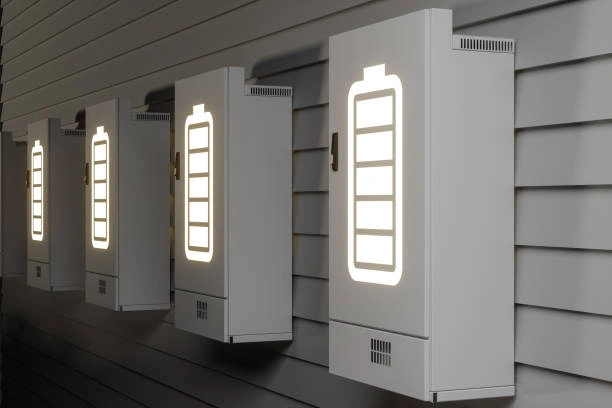
Principal Determinants of the Cost of EV Chargers Installation at home
There are a lot of details that will contribute to your ultimate price of Home EV Charger Installation. Knowing these factors will assist you to prepare better:
- Separation between the charger point and electrical panel.
- The type of the required wiring in the installation.
- The need for a new 240-volt circuit in your home.
- Requirement of electrical panels upgrades or replacement of breakers.
- Whether you install a plug in charger or a hardwired system.
- Type of wall, length of conduit and complexity of installation.
- State Local labor rates that vary across states.
All of these facts will influence the final price of your Home EV Charger Installation.
Are EV Chargers at Home Installed with a Permit?
Home EV Charger Installation is a permit that is required in most American cities. The permits also guarantee that the installation is done according to electrical codes and other safety measures. A lot of counties request an electrical permit and some request inspection after the job has been finished. These permits are normally done on your behalf by your licensed electrician. Proper documentation secures your house, your charge infrastructure and even your insurance. Failure to obtain a permit can lead to future difficulties particularly when you intend to sell your house. There are always proper permits in a legal and safe Home EV Charger Installation.
Prerequisites Before You Can Install a Home EV Charger
On the eve of your Home EV Charger Installation, there are some of the electrical and structural requirements to your home. These include:
- Operating 240-volt socket or capability of adding one.
- An electrical panel breaker slot.
- Capacity of electrical panels of 100-200 amps.
- A secure place for the charger location.
- Grounding to avoid electrical defects.
- Adherence to the requirements of NEC (National Electrical Code).
- Availability of a weather-proofed space where outdoor installations can be placed.
Compliance with these conditions will guarantee that your Home EV Charger Installation proceeds without errors and is passed by local inspections.
Professional vs DIY: Which one fits you better?
Installing a Home EV Charger could be seen as an easy task, yet it involves high-voltage wiring and loading specification and safety standards. This is why the majority of EV owners prefer to hire professional electricians. A licensed installer will make sure that the charger is operating effectively, not overheated and your car is safe. In some states, only DIY can be installed, and in that case, it takes advanced electrical expertise. A single error can wreck your house or your automobile. To the majority of households, professional Installing Home EV Charger provides a sense of security, durability of safety and complete adherence to the regulations.
Conclusion
One of the most valuable modifications of EV owners in the USA is a Home EV Charger Installation. It is convenient, reduces the costs of charges, and contributes to improved battery health. Although installation can entail a number of permits, inspection, and some minor checks, it is not a complicated procedure in the hands of a professional electrician. Coupled with correct planning and adequate installation, Home EV Charger Installation turns out to be a lasting enhancement that will see EV ownership being easier and a more pleasant experience on a daily basis.
